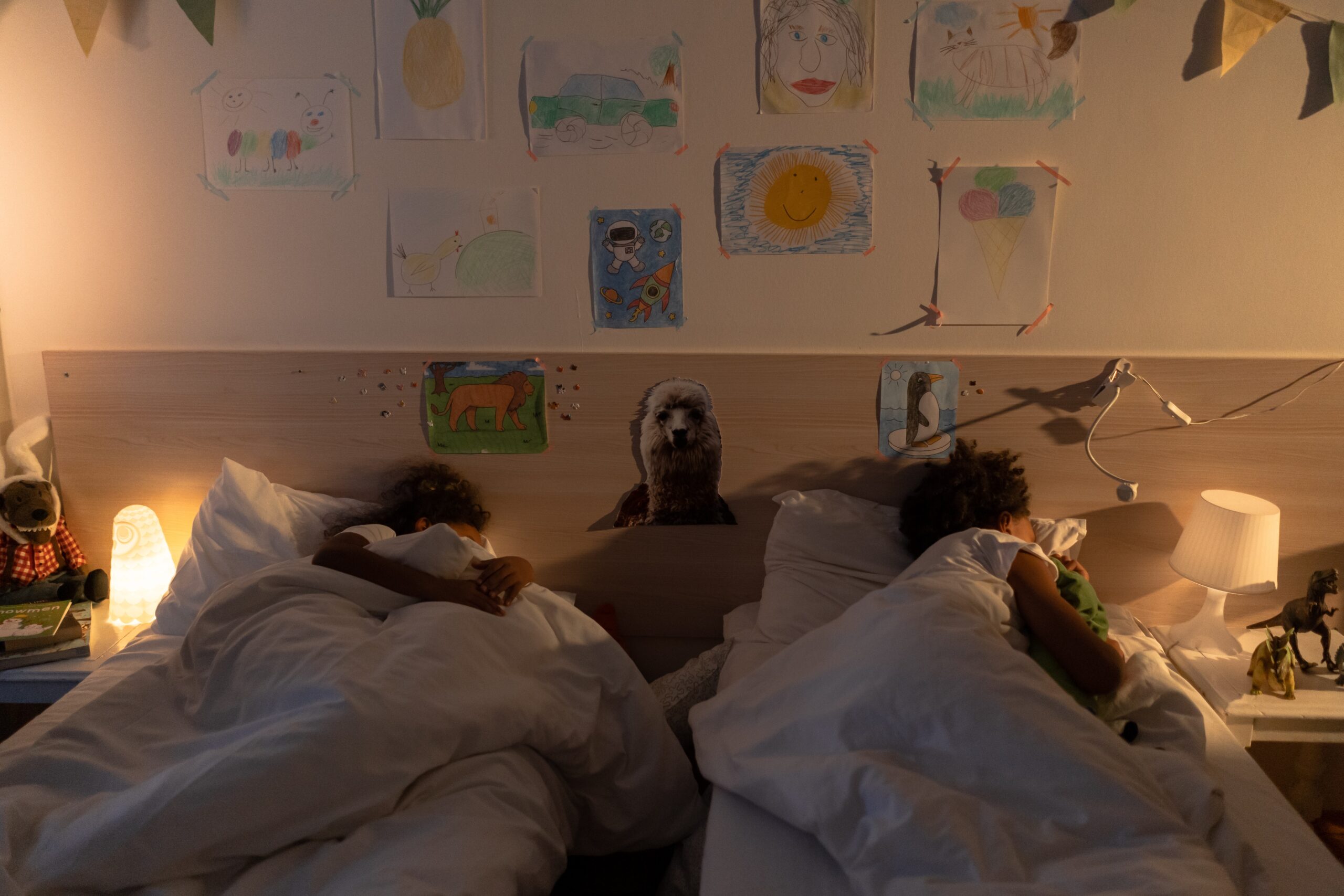
For most families, a loose tooth is a sign of growing up and a visit from the Tooth Fairy. But in a house with autistic twins, a loose tooth can be overwhelming. It starts with a tiny wiggle and ends with a lot of big feelings. When you have two children who share so many milestones, you might expect them to lose their teeth at the exact same time. However, nature rarely works that way. One twin might have a gap in their smile while the other is still waiting for their first loose tooth. This can create a lot of confusion and anxiety. For an autistic child, a loose tooth is a change in how their mouth feels, how they eat, and how they speak. It is a sensory shift that they cannot turn off, and that can be very scary.
Understanding the sensory ick factor
The sensation of a loose tooth is something many autistic children find deeply upsetting. Doctors call the ability to feel what is happening inside your body interoception. Many neurodivergent children have a very high or very low sensitivity to these internal feelings. When a tooth becomes loose, it creates a constant, nagging sensation. It feels like something is “broken” or “wrong” inside their mouth. Every time their tongue touches the tooth or they take a bite of food, they are reminded that their body is changing in a way they cannot control. This is often described as the sensory ick factor. It can lead to meltdowns, a refusal to eat, or even a sudden stop in talking because moving their mouth feels too strange.
For twins, this sensory ick is doubled because they are watching each other. If Twin A loses a tooth and cries because it felt weird or tasted like blood, Twin B is going to be watching with wide eyes. Now, Twin B is not just worried about their own mouth; they are terrified because they saw how much it upset their brother or sister. As a parent, this mean you have to manage the physical sensation for one child and the vicarious anxiety for the other. It requires a lot of patience and a lot of simple, clear explanations about what is happening and why it is actually a good thing.
Why the timing gap matters
One of the hardest parts of raising twins is the constant comparison. This is especially true when it comes to body changes. If one twin loses a tooth weeks before the other, it can cause a lot of distress. The twin who hasn’t lost a tooth yet might feel left behind or “broken.” They might wonder why the Tooth Fairy hasn’t visited them. On the other hand, the twin who loses their tooth first might feel like they have lost a part of their identity. If they have always looked exactly like their sibling, seeing a different reflection in the mirror can be a huge shock to their system.
This gap in timing is a great chance to teach about body autonomy. We spend a lot of time telling twins they are a set, but losing teeth is a very individual journey. You can explain that every body has its own “internal clock.” Just because they share a birthday doesn’t mean their teeth share a schedule. Using a visual calendar can help. You can mark the day the first tooth fell out and explain that the other twin’s tooth will fall out when it is ready. This helps lower the competitive anxiety and reminds them that they are two different people with two different bodies.
Preparing for the big change
Preparation is the best way to fight dental anxiety. You should start talking about loose teeth long before the first wiggle happens. Use social stories that explain the process in a very calm and matter-of-fact way. You can use pictures or drawings to show how a new tooth grows underneath and pushes the old one out. For an autistic child, knowing the “why” behind the sensation can make the “ick” feel less scary. It turns a scary mystery into a predictable biological process. You can even use a “mouth model” toy to show them how the teeth move.
It also helps to have a “Loose Tooth Kit” ready to go. This kit should include things that help with the sensory parts of losing a tooth. You might include soft gauze to bite down on if there is a tiny bit of blood, which can be a huge sensory trigger. You could include cold popsicles to numb the gums if they feel achy. Having these tools ready before the tooth actually falls out gives your twins a sense of control. They know that when the big moment happens, there is a plan in place to make them feel better.
Managing mealtime challenges
When a tooth is loose, eating becomes a major challenge. The fear of biting down on something hard and feeling that sharp wiggle is enough to make many children stop eating altogether. For autistic twins who might already be picky eaters, this can be a real problem. During this time, it is okay to switch to a “soft food” menu. Things like yogurt, smoothies, mashed potatoes, or soup can be a lifesaver. You want to remove the fear from the dinner table so that they can still get the nutrition they need without the sensory trauma of a wiggling tooth.
If one twin is eating soft food, the other twin will likely want it too. This is a good time to just lean into it. Serving “smoothie bowls” to both twins makes the one with the loose tooth feel less isolated. It turns a “problem” into a fun family routine. You can explain that we are eating soft foods to give the wiggly tooth a rest. Once the tooth is out and the gums have healed, you can slowly bring back the crunchy foods they love. Lowering the demands during this time is not “giving in,” it is providing a necessary accommodation for a temporary physical change.
The tooth fairy and sensory rewards
The tradition of the Tooth Fairy is fun, but for some autistic children, the idea of a stranger coming into their room at night is terrifying. It can cause sleep problems and more anxiety. You might need to change how the Tooth Fairy works in your house. Instead of putting the tooth under a pillow, you could have a “Tooth Station” in the kitchen or on the porch. The child can leave their tooth in a special jar, and the Tooth Fairy can leave a reward there. This keeps their “safe space” (their bed) private and secure.
For twins, think about how the rewards work. If one child gets a shiny coin or a small toy, the other twin might feel very sad. Some parents choose to give a very small “celebration treat” to both twins when one loses a tooth. This helps the sibling feel included in the joy instead of just feeling the anxiety. The reward doesn’t have to be big. It could be a new sticker or five extra minutes of a favorite show. The goal is to make the loss of a tooth feel like a positive milestone for the whole “twin team” while still honoring the individual child who did the hard work of growing.
Dealing with the aftermath
Once the tooth finally falls out, the sensory journey isn’t over. Now there is a new, empty space in the mouth. This can feel just as strange as the loose tooth did. The tongue will naturally want to poke at the gap, and the feeling of cold air on the gums can be startling. Be prepared for a few days of “new gap” anxiety. Continue to offer soft foods and keep the environment calm. Remind your twins that the gap is just a “parking spot” for the new tooth that is coming soon.
If your twins are identical, this is also a time to talk about their appearance. They might look in the mirror and feel like they don’t look like “themselves” anymore. Encourage them to see the beauty in their differences. You can take a “gap-tooth selfie” and show them how cool their new smile looks. Helping them feel proud of their changing bodies is a huge part of building their self-esteem. It teaches them that they are still them, even when their body is going through big shifts.
Building resilience for the future
Losing the first few teeth is just the beginning of a long road of body changes. By handling this milestone with care, sensory awareness, and a lot of love, you are setting your twins up for success in the future. You are teaching them that physical changes can be uncomfortable, but they are manageable. You are showing them that they have the tools to handle “the ick” and that you are there to support them every step of the way.
When you look back on these years, the stress of the loose tooth will fade. You will remember the pride on their faces when they showed off their first gap. You will remember how they supported each other through the wiggles and the worries. Being a parent of autistic twins means doing double the work, but it also means getting double the smiles—even if those smiles are missing a few teeth for a while.
Have your autistic twins lost their teeth yet? Share your stories in the comments below!
Subscribe to our newsletter!
This website uses affiliate links. We may make a small commission from purchases when you use these links, at no additional cost to you. As an Amazon Associate we earn from qualifying purchases. We sometimes use AI to streamline content creation, allowing for the rapid production of high-quality content tailored for our audience.