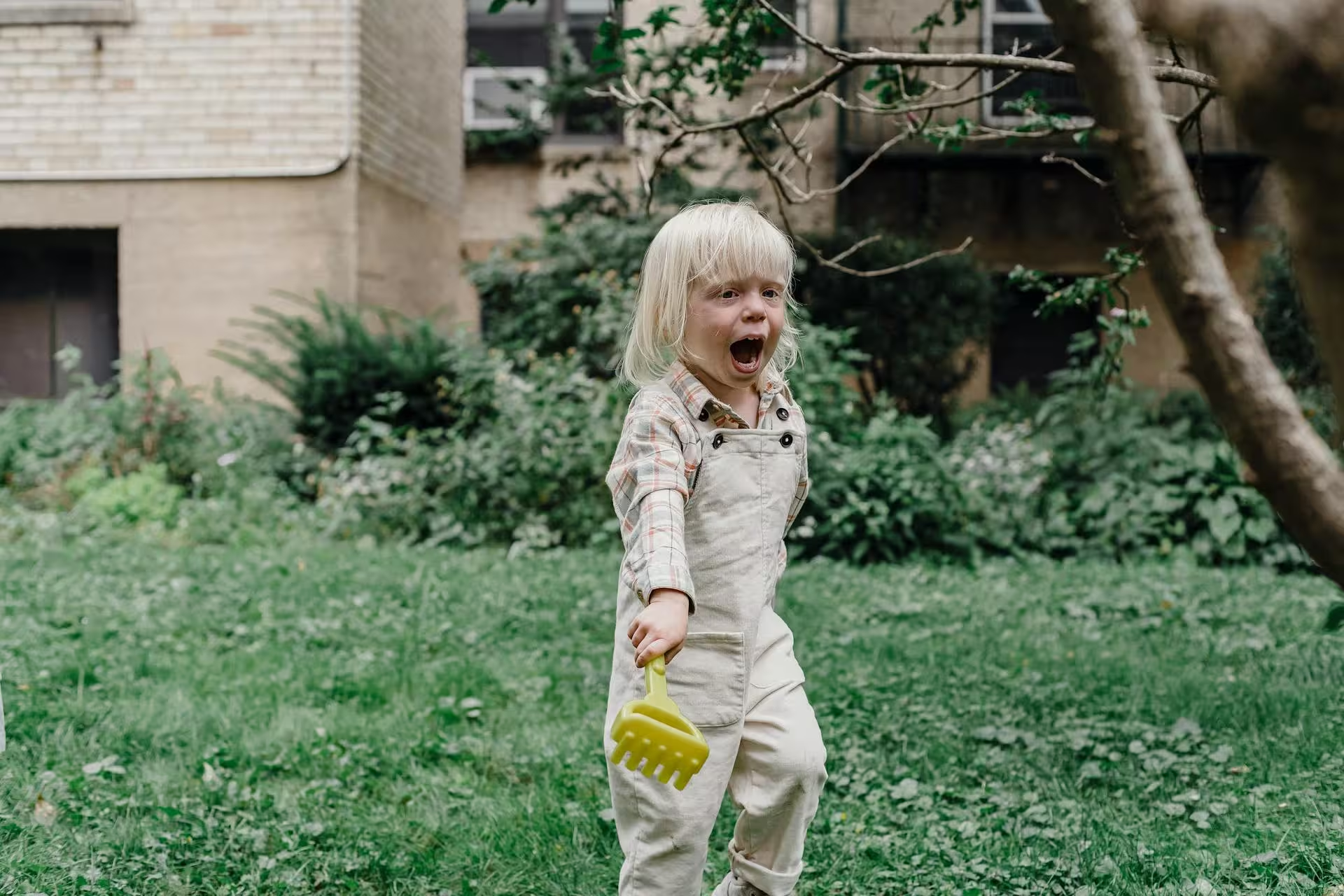
This article is part of an ongoing series about helping your autistic twins adjust to different seasons. It’s important to talk about the changes that the seasons bring, as change can be difficult to manage, especially when it is unexpected. Get tips for helping your autistic twins, triplets or quadruplets to be happy and settled through spring, summer, fall and winter. In the Northern Hemisphere, summer is June, July and August. It’s a time for enjoying outdoor play, trying new things and spending time with friends and family.
Summer! The very word conjures images of long, sun-drenched days, laughter, and a welcome break from the usual routines. For many families, it’s a season eagerly anticipated, filled with opportunities for adventure and relaxation. However, for parents of autistic twins, triplets, or quadruplets, summer can also bring its own unique set of shifts and considerations. While the promise of warmer weather and school holidays is exciting, the significant changes in routine, new sensory experiences, and increased social demands can sometimes feel overwhelming. But here in our community, we believe that with a little preparation, plenty of understanding, and the right strategies, summer can truly be a time of joy, growth, and wonderful memories for your whole family.
Sensory challenges in summer
Summer is a season bursting with new textures and sensations, but for our sensory-sensitive children, these can sometimes be a bit much. Navigating these new experiences with patience and preparation is important. The essential task of applying sunscreen, for example, can often become a daily battle. The thought of sticky, heavily scented lotion can be overwhelming, and the feeling of being “wet” or “slimy” before it absorbs, or a strong chemical scent, can be intensely disagreeable.
For autistic twins, this battle can be compounded by having to apply sunscreen to two or more children with similar aversions. To ease this, try introducing new sunscreens gradually. You can explore different forms, like a quick-drying stick, a misting spray (applied away from the face), or a lightweight, unscented lotion, to find what’s most tolerable. Allowing your twins to apply a small amount themselves, or using a visual timer to make the process more predictable, can also help. For parents struggling with this, there are many resources that provide guidance on choosing sensory-friendly sunscreen. For sun protection without the sensory input of lotions, rash guards and UPF (Ultraviolet Protection Factor) clothing are fantastic alternatives.
Beyond sunscreen, summer activities for autistic twins often involve distinct textures. The gritty feel of sand at the beach or the tickle of tall grass can be quite intense. For those particularly sensitive to these textures, gradual and controlled exposure can help. You could start with a water table in the garden for contained wet play, or choose parks with wood chips instead of sand if that’s preferred. Protective footwear can be invaluable for navigating different terrains, and a quick rinse-off hose can be a lifesaver after sandy or muddy adventures.
Similarly, the auditory landscape of summer can shift, potentially creating overload. The boisterous laughter at a pool, the buzz of crowds at outdoor events, or the constant chorus of insects can amplify ambient noise. For children with auditory sensitivities, these can be genuinely distressing. Packing noise-canceling headphones or ear defenders can be a vital tool, providing a personal zone of calm. Strategically choosing quieter times for outings, like early mornings at the park, or discussing anticipated loud sounds beforehand can also help ease anxiety. Read more about how to travel with autistic twins on our blog.
Staying cool and hydrated
Many of us love the long summer days full of light and warm sunshine. However, heat can be very challenging for your autistic twins. For many, the increased temperatures and humidity don’t just feel warm; they can intensify sensory sensitivities, leading to discomfort or even overwhelm. The feeling of sticky skin, the heavy, humid air, or the intense glare of the sun can all become challenging. Thankfully, there are many proactive strategies we can employ to keep our children cool, comfortable, and happy even on the warmest days.
Don’t forget about hydration! Make water more appealing with fun, themed water bottles or by adding slices of fruit like cucumber, lemon, or berries for a subtle flavor boost. Homemade ice pops made from fruit juice or pureed fruit are not only delicious but also a fantastic way to hydrate and cool down from the inside out. You can also set up a Hydration Station, where your autistic triplets can have their own labelled drinking cup or bottle. Encourage independence by storing favorite drinks nearby, and use fun decorations to build excitement about getting a drink.

Turning hydration into a fun game can make all the difference. For example, play a classic game of “I Spy,” but with a twist. Your autistic twins will each need a drink. Start the game by saying “Take a sip if you see something that starts with the letter ‘B‘!” This turns a simple routine into an engaging, low-pressure activity. You could also create simple bingo cards with numbers or pictures. Every time a number is called or an item is spotted, everyone takes a drink. This playful routine can make drinking feel like a rewarding part of the game.
If drinking is an issue, find other ways to get water into your autistic twins. If they are averse to drinking, offer plenty of snacks that are high in water content. You can find hydration gummies in shops or online, or try this simple recipe to make them at home. Shops also carry special rehydration drinks such as Pediatlye in the USA or Dioralyte in the UK. Be aware of the signs of dehydration, and call your doctor for additional help if needed.
Beyond hydration, clothing choices can make a world of difference. Opt for lightweight, breathable fabrics such as cotton or linen, and choose loose-fitting clothes in light colors that reflect sunlight rather than absorbing it. Creating designated cool-down zones within your home can also provide much-needed respite; this might be a room with air conditioning, a shaded corner with a fan, or even just a cool, dim space away from activity.
Inclusive outdoor activities
Summer is a wonderful time to embark on new adventures, and with a little planning, you can make these experiences inclusive and enjoyable for your autistic multiples. When planning outdoor adventures, consider scheduling them during the cooler parts of the day, such as early mornings or late afternoons, to avoid the most intense heat. By thoughtfully preparing for the temperatures, we can help our children enjoy summer without unnecessary discomfort.
Water play, for instance, is a fantastic sensory medium. You can create a controlled and fun environment in your own backyard with a simple sprinkler or a water table with a variety of tools, which allows children to explore water at their own pace. If you’re venturing out, you might find that a splash pad offers a great alternative to a large, crowded pool, as it provides all the fun of water without the overwhelming sensory input. For parents of autistic twins, the challenge may be managing two different comfort levels with water. One twin may love swimming while the other is fearful. Be sure to take the time to to understand their sensory needs while attempting swimming.
Beyond water, nature offers a wealth of calming and grounding experiences. Taking a nature walk or going on a scavenger hunt can be a great way to engage your children’s senses in a structured way. You might also consider starting a small sensory garden together, planting things with different textures, colors, and smells. Simple gardening tools can make this a hands-on activity for everyone. These activities are not only fun but also provide a powerful way to manage sensory needs naturally. For more ideas on integrating nature and gardening, you can check out resources on creating a sensory garden designed for children with diverse needs.
When it comes to community spaces, playgrounds and parks offer great opportunities for social connection and physical activity. To make these outings successful, consider visiting during off-peak hours to avoid crowds, and seek out inclusive playgrounds that have a variety of play areas to suit different sensory preferences. To find the best local sensory friendly spots, ask in our Community!
Navigating summer food challenges
Summer brings with it a delightful shift in our diets, with new foods and more relaxed mealtime routines. However, for autistic twins with food aversions or sensory sensitivities around textures and temperatures, these changes can be a source of anxiety. The spontaneity of summer barbecues and picnics, while fun for many, can present a challenge when new foods with unfamiliar smells and textures are introduced. It’s helpful to discuss these new mealtime scenarios with your children in advance. For picky eaters, a great strategy is to pack a sensory-friendly lunchbox or bento box with their favorite familiar foods, ensuring they have a safe and comforting option no matter where you are. This simple act can provide a sense of security and control.

The sensory aspects of summer foods can be particularly difficult. Grilled foods can have a different, sometimes charred texture, while fresh summer vegetables in a salad can introduce a variety of unfamiliar tastes and textures all at once. Be mindful that many summer foods are served cold, such as ice cream or cold salads, and this temperature can be a sensory challenge for some children. You might also find that using sensory-friendly cutlery with smooth, simple handles can make mealtimes a bit easier and less overwhelming. For families navigating more pronounced eating challenges, such as ARFID (Avoidant/Restrictive Food Intake Disorder), understanding these specific sensitivities is crucial for creating a supportive environment.
With the school routine gone, meal times might become less structured, but creating a flexible mealtime schedule can still provide comfort and predictability. This doesn’t mean being rigid; instead, it means having a general plan for when and where meals will happen, which can greatly reduce anxiety. Involving your children in meal preparation, such as washing vegetables or setting the table, can also give them a sense of ownership over the meal and make them more willing to try new foods. The Autism Helper has some great visual friendly summer recipes to try with your autistic triplets. Ultimately, approaching summer meals with patience, understanding, and a willingness to adapt is the best recipe for success.
Self-Care: Thriving, not just surviving
Summer break, while a joy for our children, can be a time of increased demand and pressure for parents. The absence of the school routine often means a constant need for engagement and supervision, which can lead to significant burnout. We know that the support you give your children is immense, and it’s just as important to pour back into yourselves. Self-care isn’t a luxury; it’s an essential component of being the best parent you can be. It’s about finding small moments to recharge so you can continue to show up for your family with patience and energy.
Self-care can be as simple as finding a few moments of quiet reflection. This might be taking a short walk alone, listening to a favorite podcast, or using a journal to process your thoughts and feelings. To create a calming atmosphere, an aromatherapy diffuser with a gentle, soothing scent can make your personal space feel like a sanctuary, even for just a few minutes. For moments of intense stress, a weighted blanket can offer calming input and a sense of security, providing a much-needed feeling of groundedness. These small, intentional acts can make a world of difference in managing the unique demands of summer. For more in-depth guidance on this topic, there are many reputable resources available, such as this article on the importance of self-care for caregivers.
Ultimately, navigating summer is a team effort, and you don’t have to do it alone. Our Community is here for you, and seeking support is a sign of strength, not weakness. We are your village, whether you need a place to vent, share a small victory, or ask for practical advice. Finding respite, even if it’s just an hour or two, is vital for your well-being. How are you managing this summer? Share your stories in the comments below.
Subscribe for the latest news and updates!
This website uses affiliate links. I may make a small commission from purchases when you use these links, at no additional cost to you. As an Amazon Associate I earn from qualifying purchases.