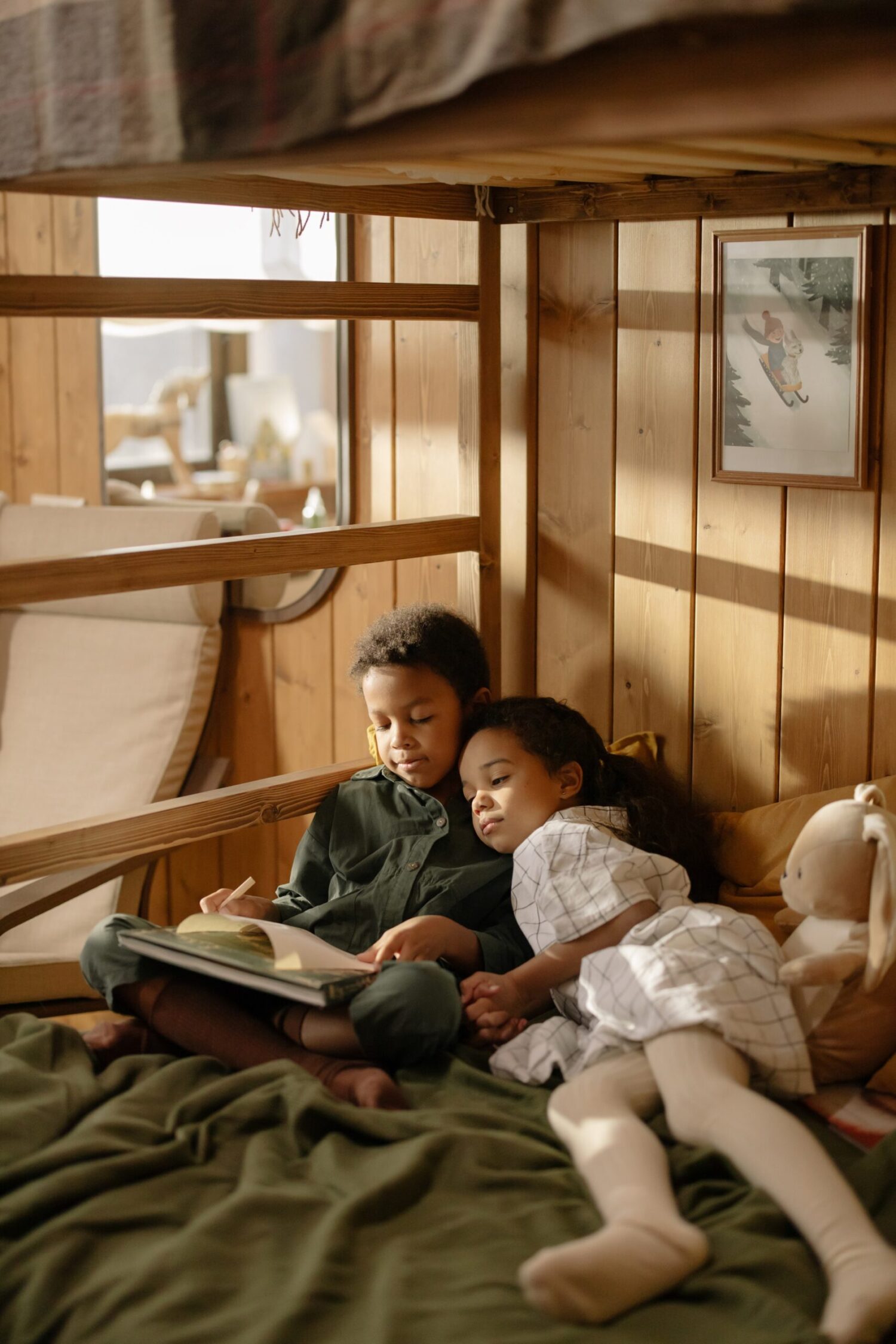
For many families, a playdate means casual fun and easy socialization. As the parent of autistic multiples, it means managing a dual sensory load, anticipating different potential meltdowns, and navigating complex social expectations—often for children who have conflicting needs and completely different ideas of what “play” entails.
The challenge is intensely demanding. You are not just guiding one child through social nuances; you are orchestrating a fragile dynamic between siblings who might rely heavily on one another, while simultaneously introducing a new, unpredictable peer into their system. This is why mastering autistic twin playdates is less about spontaneity and more about strategic, empathetic planning.
The joint playdate
It is a common instinct to treat your twins as a social package. When a peer invites one over, the inclination is to bring the other. Logistically, it’s easier, and emotionally, it feels safer. For autistic twins, the joint playdate offers clear benefits: the built-in familiarity of their twin acts as an emotional anchor, reducing twin playdate anxiety. The twin can also serve as a peer model, subtly demonstrating social interactions, turn-taking, and acceptable ways to handle frustration.
However, the joint playdate often fails because it compounds the sensory conflicts. For instance, Twin A might be a sensory seeker who finds joy in crashing pillows, loud vocalizations, and high-energy movement. Twin B, meanwhile, may be a sensory avoider whose preferred play is quiet, methodical, deep-focus structured play—perhaps lining up small objects or organizing a complex train set. When a neurotypical peer arrives, they often gravitate toward the most active child, which quickly pushes the quieter twin into a state of sensory overload and withdrawal. If the peer joins the loud twin, the withdrawal of the quiet twin can quickly transition into a full meltdown.
The mistake parents often make is believing that a playdate should be unstructured. For autistic playdates, unstructured time is the enemy of regulation. If the goal is successful engagement, the playdate must be meticulously framed. Instead of simply letting the children “figure it out,” you must introduce a clear, short-term project with defined roles and a predictable endpoint. Think collaborative LEGO building based on a schematic, following a simple baking recipe, or a board game with defined rules. This scaffolding ensures the children are interacting around a shared interest, minimizing the confusion inherent in open-ended social time.
Preparation is anxiety reducing
Success in social situations, especially for autistic twins, relies heavily on minimizing the unexpected. Your goal as a parent is to absorb all the variables and present the experience as a clear, step-by-step process. This detailed preparation significantly reduces twin playdate anxiety.
The most effective tool in your arsenal is the social script for playdates. This isn’t just about telling your child what to say; it’s about providing a clear, visual map of the entire social event. The script should be short, literal, and reviewed several times in the days leading up to the playdate. It needs to cover the entire sequence:
- The Greeting: (E.g., “The friend will come to the door. I will stand next to Mom. I will say, ‘Hi,’ or give a short wave.”)
- The Activity: (E.g., “We will play with trains for 30 minutes in the living room. The timer will go off.”)
- The Problem: (E.g., “If I get frustrated, I can go to the calm corner and take three deep breaths.”)
- The Goodbye: (E.g., “When the friend leaves, I will wave and say, ‘Bye.'”)
The script helps your multiples understand the temporal limits and the behavioral expectations, creating a sense of control over a typically high-anxiety situation.
Furthermore, set a low-demand social time frame. Keep the playdate short—no more than 60 to 90 minutes as a starting point. Ending on a high note, before fatigue or sensory input peaks, is always better than pushing past the limit. Crucially, establish an exit strategy with your children beforehand. This could be a code word (“Banana”) or a gesture that signals to you, the parent, that they are ready to leave immediately without the need for drawn-out, socially confusing goodbyes. This is a non-verbal tool that gives the child ultimate control over their environment, vastly reducing their fear of becoming trapped in a difficult social situation.
When only one twin is invited
This is perhaps the most emotionally draining reality for parents of multiples, and it is exponentially amplified when autism is involved. The feeling of seeing one of your children excluded while the other gets invited to parties, sleepovers and playdates hits at the very core of parental protective instincts. However, allowing one child to accept an invitation alone is a necessary step in the long-term goal of fostering individual identity and autonomy.
Dealing with the exclusion of one autistic twin is intensely challenging for the parent, often stirring feelings of guilt, unfairness, and profound empathy for the uninvited child. To manage these complex emotions, first give yourself permission to acknowledge the sting—the immediate, protective instinct to feel their child’s hurt. You can then move to reframe the situation – not as a rejection of one twin, but as a necessary step toward the other twin’s development of separate identity and autonomy.
The exclusion must be handled with deep, explicit empathy. When one child receives an invitation and the other does not, validate their feelings immediately. Don’t minimize the hurt. Phrases like, “It really stings when your friends do things without you, and I see how much that hurts,” are essential. This teaches emotional literacy and affirms that their feelings are valid.
Immediately after validating the pain, pivot to creating a high-value, unique one-on-one activity for the uninvited child. This must be an activity that the invited child does not get to participate in. This reframes the day from “I am excluded and alone” to “I get special time with Mom/Dad doing my favorite thing.” This might mean taking the uninvited child to their favorite small café, visiting a unique toy shop based on their special interests, or having a movie night in the quiet “sensory room.” By channeling the emotional energy away from distress and toward constructive action, you can also mitigate your feelings of guilt and transforming a day centered on perceived unfairness into one focused on individual celebration and connection. This is crucial for mitigating sibling rivalry that can arise from perceived unfairness.
For the invited child, the conversation must center on discretion and appreciation for their individual identity. Coach them gently on what to share and what not to share upon returning. Affirm that they deserve this fun time alone, but also to be respectful their sibling’s feelings. This is a lesson in social nuance: enjoying a private event while being sensitive to the feelings of others—a complex, but necessary, social skill to acquire.
Building separate social lives
The long-term strategy for successful social development for autistic twins is fostering completely separate social lives. Proactively seek out activities and clubs that align with each child’s completely unique special interests, even if it means running two separate carpools. If one multiple has an intense passion for digital art, enroll them in a quiet, structured digital design class where social interaction is minimal but engagement with their passion is high. If another multiple is fascinated by animals, find a quiet volunteer opportunity at a local rescue or a specialized animal club. These settings provide low-demand social time—time spent around peers who share the same intense focus, where social connection happens naturally, without the pressure of typical small talk or complex group games.
When the opportunity arises, introduce your children to potential friends one at a time. Encourage structured playdates that are always one-on-one, preferably centered around their shared special interests. This removes the distraction and competitive dynamic of the sibling relationship and allows the autistic child to focus fully on the peer interaction, leading to more genuine and regulated connection.
Ultimately, navigating playdates and social lives for autistic twins is a marathon of planning, empathy, and observation. The most loving thing you can do is recognize their individual, separate needs and give them the necessary tools—be it a quiet schedule, a clear social script, or the gift of space—to thrive independently. Your success is measured not by how many friends they accumulate, but by how regulated and happy they feel during their limited, intentional social time.
Have you navigated the tightrope of just one multiple invited to a party or playdate? Share your stories in the comments below.
Subscribe for the latest news and updates!
This website uses affiliate links. We may make a small commission from purchases when you use these links, at no additional cost to you. As an Amazon Associate we earn from qualifying purchases. We sometimes use AI to streamline content creation, allowing for the rapid production of high-quality content tailored for our audience.