
When we become parents, we often feel like we leave our self-care behind and focus on taking care of others. This is even more true for families raising autistic twins, triplets or quadruplets. From navigating two or more sets of distinct needs to advocating for a world that embraces autistic children, the demands on your energy, emotions, and physical health are extraordinary. As a triplet mom who was diagnosed with ADHD in my 40s and life long migraine sufferer, I know what it’s like to put everyone’s needs first until I was nearly at a breaking point.
Migraines are not simply headaches, they are a neurological event. The storm of a migraine can bring with it a cascade of symptoms, from pulsating pain and visual disturbances to extreme sensitivity to light and sound. It can force you into a state of retreat, leaving you feeling isolated, overwhelmed, and unable to be the present parent you desperately want to be. Understanding migraines and why they might affect autistic multiples families in particular, is a crucial step toward finding peace and reclaiming your well-being.
Much like our journey with neurodivergence and diagnosis, my migraine journey has been full of doubt, uncertainty and exhaustion from both unmet needs and being unheard. People dismissed my pain as “just a headache” and often complained when I needed rest or had to miss events. Besides medication, I’ve not found much to support migraine relief, which prompted me to write this article.
Links between autism, migraines and multiples
It’s no coincidence that many parents of autistic children, especially twins, triplets or quads, find themselves grappling with chronic migraines. While the connection is still being researched, a growing body of evidence suggests that the very factors that make your family dynamic unique may also contribute to your pain. Genetics, for instance, play a significant role. Research indicates that there’s shared genetics between autism and migraines. A parent who carries these genetic predispositions may be at a higher risk of experiencing migraines themselves, a risk that may be amplified by the unique stressors of their life. For example, trying to meet the needs of multiple autistic children in the same household can be very stressful, a common trigger for migraines.
Beyond genetics, the relentless sensory landscape of raising autistic multiples can be a significant contributing factor. Many individuals with autism have sensory processing differences that make them hyper-sensitive to light, sound, and touch. As a parent, you are constantly managing this environment for them, which means you are also exposed to it. The high-pitched cries of a distressed child, the constant noise from toys, or the flickering of a lamp can be direct triggers for both your child’s sensory overload and your own migraine attack. This can also lead to a self-perpetuating cycle: the chronic stress of caregiving and the lack of uninterrupted rest can make your nervous system even more sensitive, leaving you vulnerable to sensory-induced migraines.
Furthermore, the lack of predictability in your daily life can be a powerful trigger. While you work to create routines for your autistic multiples, the reality of life means that schedules are often derailed by dysregulation, sleepless nights, and unexpected events. This constant state of vigilance and chronic stress elevates cortisol levels, a primary driver of inflammation and pain in the body. It’s no wonder that questions like are my twins autistic and the journey to diagnosis—often filled with uncertainty and appointments—can feel like a physical weight, contributing to the onset of a migraine. The exhaustion of advocating for your children, ensuring they receive the support they need, can be overwhelming and contribute to a state of constant depletion and agitation.
Redefining self-care: From luxury to necessity
Self-care for parents of autistic multiples parents isn’t about fleeting moments of indulgence; it’s a non-negotiable act of preservation. It’s a proactive strategy to manage the unique stressors of your life and build a resilient foundation for your health. It’s been hard for me to recognize and understand when I need to step back and focus on my own health, so that I can continue to support my family well into the future. At Autistic Twins Triplets and More, we are working to help parents through these struggles and are here to explore the support journey with you.
Proactive health and routine management
Managing migraines begins with a fundamental shift in your approach—moving from a reactive state to a proactive one. Instead of waiting for a migraine to strike, take the time to build a personalized health routine to support both your physical and mental health. It’s just as important as setting routines for your children. A migraine can be a sign that you’re running on empty, and for parents of children with autism and sleep challenges, this is especially true. You can’t pour from an empty cup.
Find ways to prioritise getting more sleep. Even if it’s just for a few hours on a weekend, make it a priority to get uninterrupted, deep sleep. This isn’t a luxury; it’s a neurological reset that can significantly decrease both the frequency and severity of your migraines. By prioritizing your own rest, you are taking a crucial step in caring for your whole family.
As the parent of autistic multiples, finding even a few moments for yourself can feel impossible. But try to build in a non-negotiable pause—a 10-minute break every two hours.
Fuel your body wisely
Navigating the demanding schedule of parenting autistic twins can often mean your own fundamental needs, like eating and drinking, get pushed aside. However, for a neurodivergent brain, consistent fuelling isn’t just important—it’s vital. Dehydration and fluctuating blood sugar are potent migraine triggers, and when your body is under the added stress of caregiving, these can easily lead to debilitating brain fog and an intense migraine.
To combat this, keep a large, easily accessible water bottle with you at all times. Strategically place healthy, grab-and-go snacks in high-traffic areas like the kitchen counter, the car, or even a bag you carry with you. Think of nutrient-dense options like almonds, bananas, and cheese sticks. When you’re in the thick of a busy moment, a handful of these can provide the stable energy your brain needs without the crash that can lead to pain.
Beyond simply preventing a crash, you can proactively feed your brain to enhance its resilience. The neurodivergent brain often works differently, and for many parents, this means a higher level of cognitive and sensory processing, which can be draining. By prioritizing foods rich in magnesium, B vitamins, and omega-3 fatty acids, you can help support neurological health and reduce inflammation, a known factor in migraines.
Incorporate foods like dark leafy greens, avocados, fatty fish, and colorful berries into your diet. When a full meal isn’t possible, a smoothie with a handful of spinach, a banana, and a scoop of protein powder can be a quick and effective way to get a powerful dose of nutrients. By making small, intentional choices about what you eat and drink, you’re not just fending off migraines—you’re nurturing the very organ that works tirelessly to care for your family.
Embrace the power of planning
You already devote immense energy to meticulously planning your children’s day, from routines to sensory needs. Now, extend that same intentional focus to your own well-being. Scheduling small blocks of “me-time,” even just for 15 minutes, isn’t a luxury—it’s a critical tool for health. This could be a brief walk around the block, a few moments of quiet meditation, or simply listening to a favorite podcast.
Don’t feel guilty! You aren’t escaping your responsibilities, you are reconnecting with yourself. You can simply sit in a quiet room, listen to a calming song, or practice a few minutes of mindful breathing. This small, consistent act can prevent the buildup of stress and emotional fatigue, helping you stay grounded and present. These brief respites are a powerful way to recharge and ensure you can show up as your best self for your family throughout the day.
These moments act as a crucial buffer against the kind of chronic stress that can lead to a migraine. They give your nervous system a chance to reset and help you maintain your energy and patience throughout the day. Embracing this practice of self-prioritization creates a powerful ripple effect. By consciously carving out time for yourself, you are not only mitigating the risk of migraines and burnout but also modeling resilience for your children. This intentional well-being builds your capacity to handle the unexpected challenges that are a natural part of life with multiples. It helps you show up as a more patient, present, and emotionally regulated parent, proving that a parent’s health is inextricably linked to the well-being of the entire family.
Creating a sensory fortress
While your home should be a sanctuary, for those with heightened sensory awareness, it can often feel like a source of constant, low-level stress. For the parent of autistic twins, managing this sensory environment for yourself is just as crucial as it is for your children. Every flicker of a light, blare of a TV, or strong scent from a cleaning product can contribute to the “sensory cup” filling up, bringing you closer to a migraine threshold. Acknowledging this and proactively creating a haven within your own space is a powerful form of self-care.
One of the most potent migraine triggers is sensory overload from bright, fluorescent lights, flickering screens, and constant noise. To combat this, you can create a calming atmosphere that benefits the whole family by using tools like dimmer switches, soft, warm lighting, and blackout curtains in bedrooms. Consider noise-cancelling headphones. Keep a pair readily available in a designated spot and put them on when the noise becomes overwhelming. By protecting your hearing, you are protecting your health, making you a more patient and present caregiver. This strategy also extends to the world outside your home. Always have a pair of sunglasses and earplugs in your bag for unexpected trips to the grocery store or a busy waiting room, as this proactive defense can help prevent a migraine from even starting.
Beyond managing the broader environment, every home, no matter its size, can have a designated “Calm Corner.” This space is exclusively for de-stressing needs. It can be a simple as a comfortable chair in a quiet room, adorned with a weighted blanket for deep pressure, a box of your favorite herbal teas, and a few sensory tools that help you self-regulate. When you feel a migraine coming on, this is your first stop. This proactive escape allows you to de-escalate and potentially halt the migraine’s progression.

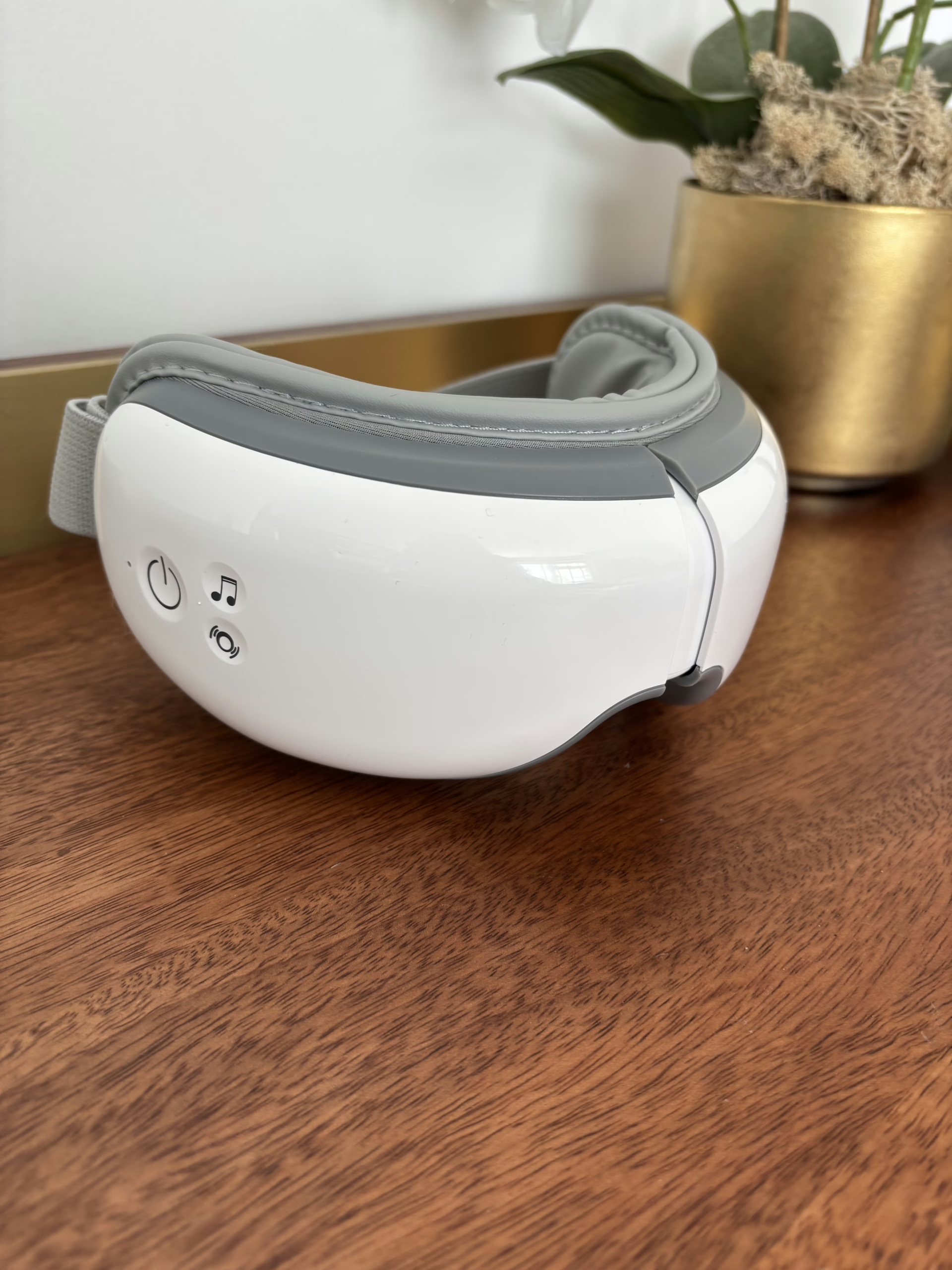
As I’ve gotten older, my migraines have progressively gotten worse. I’m on medication and have an appointment to review this with my doctor, but I’m looking for more ways to truly rest and look after myself. My husband insists on sending me for facials and massages as often as I can. I’ve also recently purchased a pair of heated massaging eye goggles for my migraines and I’ve been really impressed with how helpful they are. As my migraines are centered in my sinuses, the heat and pressure helps to take some of the pain away. Sometimes we have to be willing to try something different or not like what we’ve tried before, in order to find the relief we so desperately need.
Leaning on your village
The journey of an autistic twin parent is one that can feel isolating. Wondering whether your twins are autistic may lead to feelings of being different from other parents. This is where community becomes not just a nice-to-have, but an essential part of your self-care. Our Community is built on the belief that a parent’s greatest resource is another parent who truly understands. We allow parents to connect with others in a safe, non-judgmental space to reduce feelings of loneliness and provide you with a wealth of shared knowledge and experience.
For example, in a group discussion, you might discover that a fellow autistic twin parent has found a solution for a specific sleep challenge that works for them, which you can then adapt for your own family. Caring for yourself is the single most important act you can perform for your children. When you prioritize your well-being, you model resilience, create a more stable and loving home environment, and ensure that you have the energy to face each day with grace. You are a warrior, and every day you battle fatigue and stress to care for your incredible family. Now, it’s time to turn that same compassionate care inward.
Do you suffer from migraines? What are your best self care tips? Share your stories in the comments below.
Subscribe for the latest news and updates!
This website uses affiliate links. We may make a small commission from purchases when you use these links, at no additional cost to you. As an Amazon Associate we earn from qualifying purchases. We sometimes use AI to streamline content creation, allowing for the rapid production of high-quality content tailored for our audience.