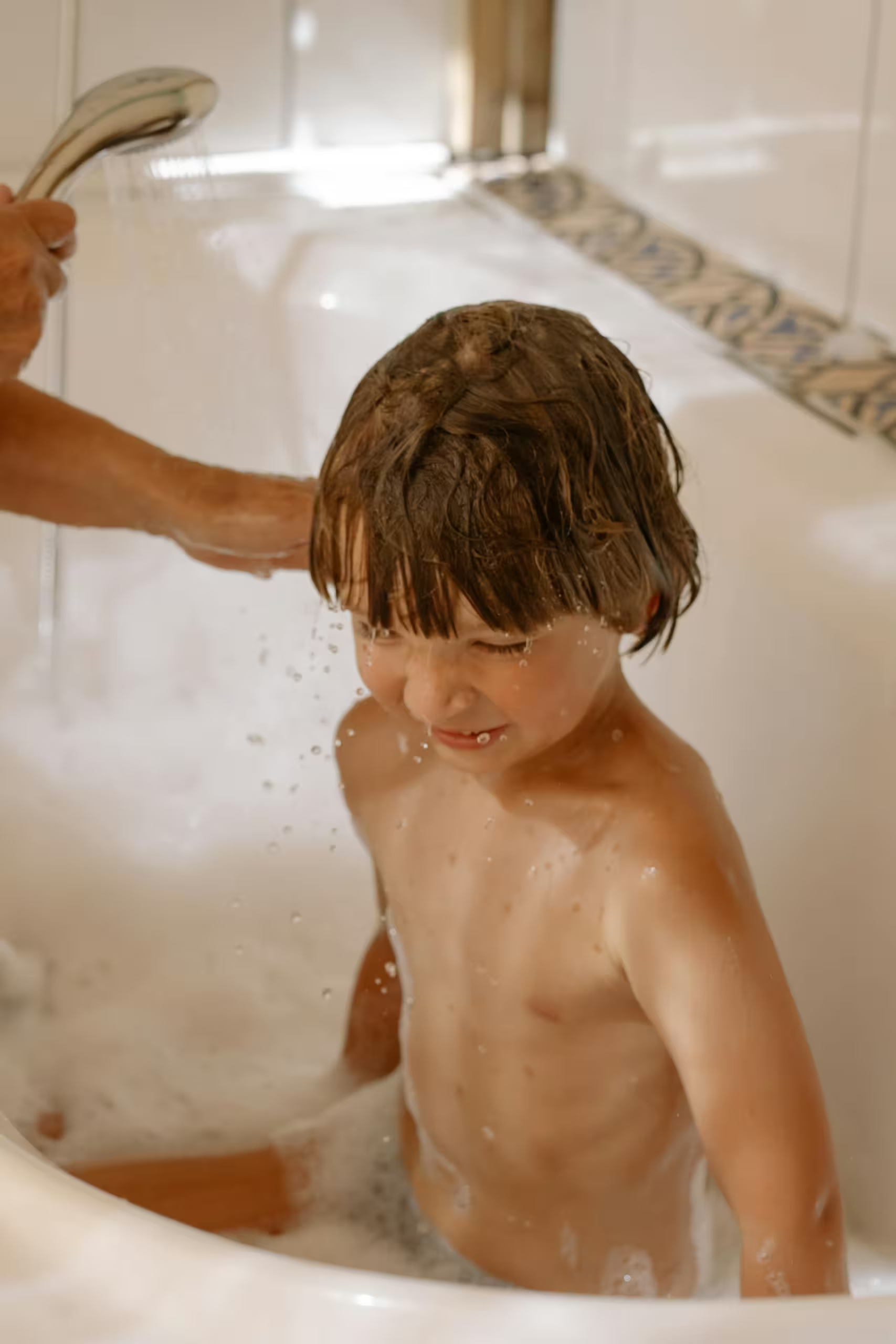
For many parents, a hair wash is a simple, routine task. But for parents of autistic twins, it can be a source of profound anxiety and sensory overload. The sound of rushing water, the feeling of suds, the pull of a brush, or the buzz of clippers can feel like a sensory assault. These challenges aren’t about a child being difficult; they are about a brain processing the world in a different, often more intense, way.
This guide is designed to help you understand the “why” behind these struggles and to provide you with practical, compassionate strategies to help your children care for their hair. In this series, we will delve into the three primary areas that can be difficult for autistic twins: hair washing, brushing, and hair cuts.
A bit of investigation can go a long way
The first and most common battle in hair care is the wash, and it is almost always a direct result of sensory processing needs. The challenge isn’t the act of washing itself, but the sensory experience it creates. Your twins may have very different hair, especially if they are fraternal. One may have fine, straight hair that gets greasy quickly, while the other has thick, curly hair that can go for days without a wash. You’ll need to approach each twin’s hair care needs differently, and that includes their attitudes toward the process. Some autistic individuals find routine comforting, while others prefer variety and control. For a parent, this might mean one twin is easy to get in the shower, while the other puts up resistance every time. Understanding these individual differences is the first step toward finding a solution that works for your family.
To help your twins, you must become a sensory detective. Pay close attention to their body language. Do they wince when the water first touches their head? Do they flinch at the sound of the shower? Autistic adults often share stories of the trauma associated with hair washing in their childhood, and it is often related to the feeling of being overwhelmed. The unpredictable stream of water from a shower head can be startling and feel like a direct assault on the face and eyes. For some, the water pressure is overwhelming, and the temperature can feel either too hot or too cold.
To address these issues, consider making a few key changes. A handheld shower head with a detachable nozzle gives your twins more control over where the water goes. Many models come with different spray patterns and pressure settings, allowing your child to find what feels most comfortable for them. You can also experiment with different water temperatures to see if they prefer warmer, cooler, or lukewarm water. Allowing them to stand over a sink or sit in the tub while leaning back can also help them avoid the feeling of water coming from above.
Another powerful tool for managing bath time stress is the strategic use of sensory inputs. Many autistic individuals have a heightened sense of smell, and the wrong scent can be overwhelming. Conversely, a calming scent can be a powerful tool for regulation. Take your twins shopping and allow them to pick out a shampoo or body wash with a scent they love. Scents like lavender can have a relaxing effect, while citrus or mint can be refreshing or invigorating. You can also look for shampoos that feature their favorite characters, turning a dreaded task into a fun experience.
New equipment
Sometimes, the sensory experience isn’t about the water itself, but about keeping it away from the face. Many parents have found success using specialized equipment to protect their children’s faces and ears. Foam or plastic caps and visors can create a barrier against the water and shampoo. A simple, wet washcloth placed gently on the forehead can also help keep water from running into their eyes. Depending on their age, your twins may also benefit from a distraction in the bath. For younger children, this could mean bath toys or crayons, while older children might enjoy sensory lights or a shower radio to turn the bathroom into a dance party.
When getting wet is not an option, you can explore alternatives that allow you to maintain hair hygiene without the stress of a full wash. Dry shampoo, available at most drug stores or online, can be a great option. It comes in a powder or aerosol spray that absorbs oil and refreshes the hair. You can also make a homemade version using cornflour or finely ground oats. Simply sprinkle the powder into the roots of the hair, gently work it in, and then brush it through to the ends. You’ll need to watch for any areas that look patchy or powdery, and ensure it’s fully blended into the hair.
For more significant challenges, specialty equipment that was once only found in hospitals is now widely available online. You can find products like hair wipes or non-rinse shampoos that allow for a quick cleanse without a full wash. Some parents also rely on the more unconventional method of using a swimming pool or a hot tub to get their child’s hair wet. If swimming is enjoyable and feels like a reward, they may be more likely to tolerate a quick rinse off and wash while in their swimsuit. While not ideal for a deep clean, it’s a valid strategy for those days when a traditional wash is just not possible.
Building routines and trust
While tools and strategies are essential, the most important element of a successful hair washing routine is trust. Your children need to know that you will not force them to do something that feels overwhelming. Allowing them to have control over the process is a powerful way to build that trust. Let them decide if they want to go first or last, if they prefer a bath or a shower, or even if they want to stand over the sink. This empowers them to participate in their own care and reduces their anxiety about the unknown.
Creating a predictable routine is also key. A visual schedule with pictures or symbols can help your children understand each step of the process, from getting into the bathroom to getting out and drying their hair. This predictability helps reduce the anxiety that comes with transitions and new experiences. You can also incorporate a reward system, where a successful hair wash is followed by a favorite activity.
The secret to a successful hair care routine is to be patient, flexible, and understanding. You are a tireless advocate for your children, and every step you take to make their world more manageable is a victory. It’s a journey of trial and error, but with compassion and the right tools, you can transform a dreaded task into a manageable and even peaceful one.
What suggestions do you have to share about washing your autistic twins’ hair? Share your thoughts in the comments below. Be sure to follow the blog for the next article in this series.
Subscribe for the latest news and updates!
This website uses affiliate links. We may make a small commission from purchases when you use these links, at no additional cost to you. As an Amazon Associate we earn from qualifying purchases. We sometimes use AI to streamline content creation, allowing for the rapid production of high-quality content tailored for our audience.