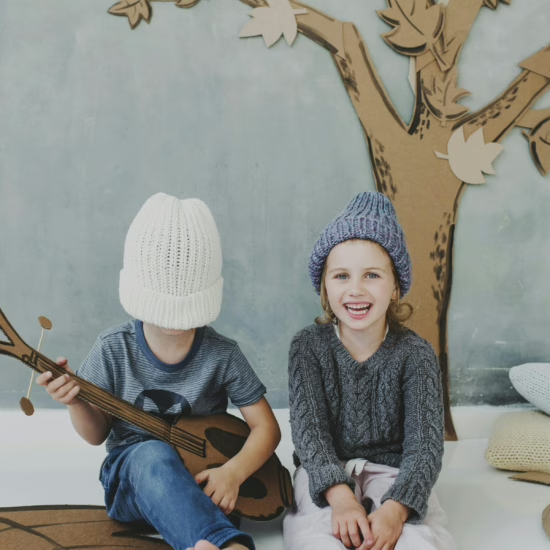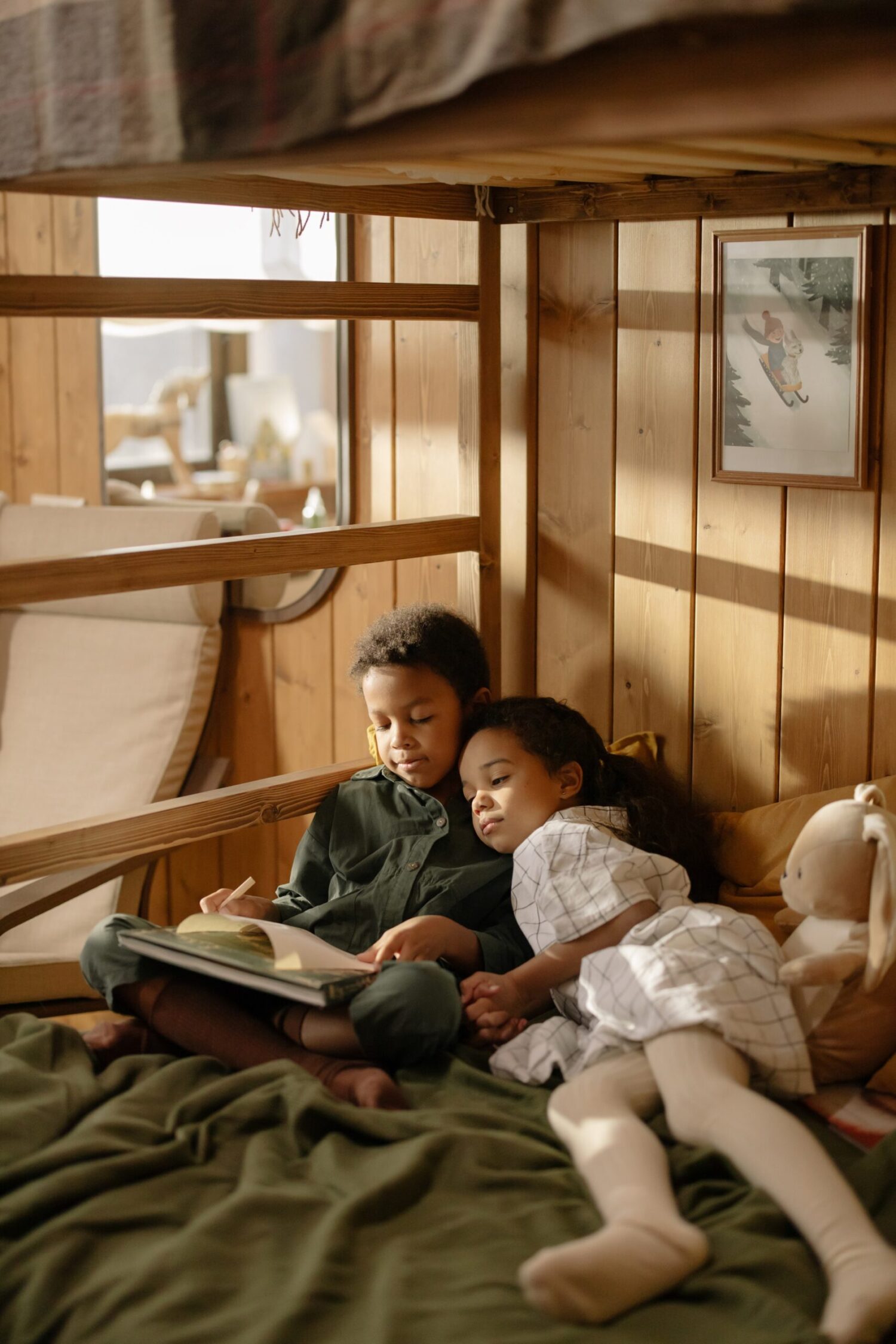
When considering whether autistic multiples should share a bedroom, parents often face a complex decision. On one hand, you may envision the heartwarming moments of two siblings growing up side-by-side. On the other, you must navigate the intricate realities of each child’s unique needs, especially concerning sensory sensitivities and sleep patterns.
Let’s explore the various factors involved in creating a harmonious shared living space for autistic twins. We will delve into the benefits, the challenges, and, most importantly, provide a comprehensive set of strategies to help you and your children thrive together.
The allure of sharing
For many parents, the idea of their multiples sharing a room is deeply appealing. It’s an opportunity to foster a powerful and lasting sibling bond. From the moment they arrive, twins share a unique connection that is distinct from other sibling relationships. A shared room can be a natural extension of this bond, offering a sense of companionship and comfort.
This shared experience can provide a sense of security. For a child who might struggle with nighttime anxiety or fear of the dark, the presence of their twin can be profoundly calming. The knowledge that they are not alone can lead to more restful and restorative sleep for both children. These shared moments, from whispering secrets at bedtime to simply being present for one another, can build a foundation of mutual support and understanding that lasts a lifetime.
Beyond the emotional benefits, there is the simple, undeniable practicality. Many homes have limited space, and having twins share a bedroom can free up other areas for family activities, a dedicated playroom, or even a therapy space. Maximizing your home’s footprint in this way can create a more functional and less cluttered environment for everyone, making it a viable and often necessary choice for many families.
Understanding the challenges
While the benefits of a shared bedroom are clear, it is essential to be honest about the potential challenges. As a parent of autistic children, you are already well aware of their individual needs, and in a shared space, these needs can sometimes clash.
One of the most significant challenges is managing conflicting sensory needs. What provides comfort for one twin may be a source of sensory overload for the other. For example, a child who is sensitive to light might need a pitch-black room to fall asleep, while their twin feels anxious without the soft glow of a night light. Similarly, a child who finds comfort in humming or repetitive sounds at night can inadvertently disrupt the sleep of a sibling who requires complete silence to rest. These sensory differences, left unaddressed, can lead to anxiety, frustration, and a consistent lack of quality sleep for both children.
Sleep disturbances are another critical factor. If one twin is a light sleeper or experiences frequent nighttime awakenings, it can easily disrupt the other’s rest. A tired and dysregulated child can affect the morning routine for the entire family, leading to a domino effect of stress and challenging behaviors.
Lastly, every person, including a child, needs their own personal space. This need for a private sanctuary can be even more pronounced for autistic individuals who may need alone time to decompress and self-regulate after a long day of social interactions or overwhelming sensory input. Sharing a room can sometimes make it difficult for children to find that private bubble, leading to feelings of being constantly “on” and unable to truly unwind.

The art of compromise: Strategies for creating a harmonious shared space
If you decide that a shared bedroom is the best option for your family, the key is to be intentional and proactive in your approach. By creating a customized, sensory-friendly environment, you can turn a potential source of conflict into a space that supports and nurtures both children.
Designing individualized worlds
A shared bedroom does not have to be a single, uniform space. By creating defined areas for each child, you can give them a sense of ownership and privacy within the shared environment.
Designated storage: Assign each twin their own labeled bins, shelves, and closets. This not only promotes organization but also helps to reduce conflicts over shared toys and belongings, creating a clearer sense of boundaries.
Physical dividers: Consider using a tall bookshelf, a room divider, or even curtains to visually and physically split the room. This simple act of division can create two distinct “sides,” giving each twin their own personal territory.
Personalized decor: Allow each child to choose their own bedding, wall art, and a unique color scheme for their side of the room. This personalization validates their individuality and empowers them to create a space that reflects their unique identity and interests.
Tailoring the sensory environment
A one-size-fits-all approach to a sensory environment will not work. You must customize the space to meet each twin’s specific needs.
- Light: If one child needs a dark room and the other requires a night light, install blackout curtains that can be pulled down for the light-sensitive twin. For the other twin, use a small, dim, and directional light that won’t disturb their sibling. Alternatively, a bed canopy can create a dark, cave-like space for one child while the rest of the room remains lit.
- Sound: A white noise machine can be a lifesaver, as it can muffle sudden and unpredictable sounds. If one twin requires complete silence and the other makes sounds at night, consider noise-canceling headphones or earplugs as an accommodation for the sound-sensitive child.
- Texture: Pay close attention to textures in the room. Some children may find a smooth, weighted blanket calming, while others prefer the soft, fuzzy feel of a different material. Ensure each multiple’s bedding, pajamas, and even the texture of the carpet or rug cater to their individual sensory preferences.
The power of routine and consistency
For autistic multiples, consistency and predictability are crucial. Establishing a clear, unwavering routine for bedtime, playtime, and even personal time can help reduce conflicts and anxiety. A visual schedule with pictures or symbols can be a powerful tool to guide them through the process, from putting on pajamas to turning off the lights. A predictable routine can make sharing a room feel more manageable and pleasant for both children.
Creating a “Quiet Zone”
Even in a shared space, it is vital for each twin to have a place they can retreat to for alone time. This “quiet zone” could be a simple pop-up tent, a comfy beanbag chair in a corner, or a cozy reading nook. This space allows them to decompress and self-regulate without having to leave the room entirely, providing a sense of privacy and control that is essential for their well-being.
Ultimately, the decision to have your autistic twins share a bedroom is a deeply personal one. There is no single right answer, and what works for one family may not work for another. The key is to be attentive to your children’s reactions, be prepared to adapt, and remain flexible.
You know your children best, and your intuition is your greatest guide. By listening to them and being willing to make changes as their needs evolve, you can create a shared living arrangement that not only supports their individual well-being but also strengthens the special bond they already share.
Do your children share a bedroom? Share your ideas and stories below. Be sure to subscribe for the latest news and updates!
This website uses affiliate links. We may make a small commission from purchases when you use these links, at no additional cost to you. As an Amazon Associate we earn from qualifying purchases.